








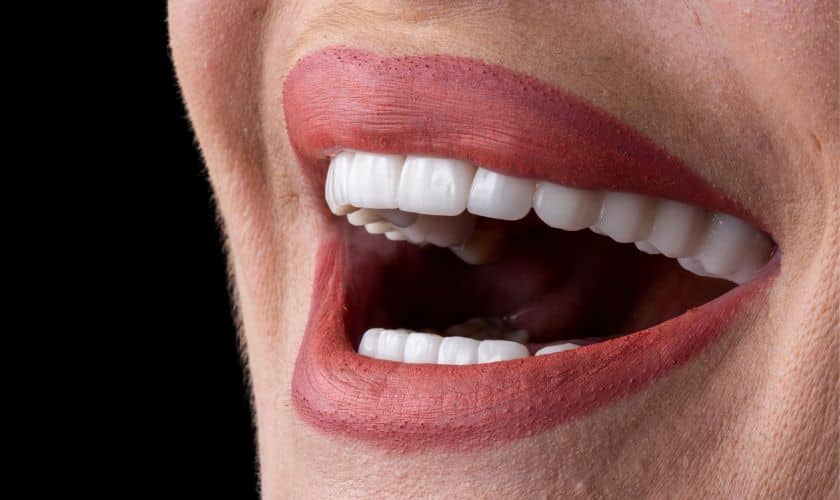
Dental crowns have become a cornerstone of restorative and cosmetic dentistry, providing solutions for damaged, decayed, or aesthetically compromised teeth. For patients seeking durable, natural-looking restorations, modern dental crown solutions have evolved to address both functional and cosmetic needs. Some patients specifically require only crowns, making it essential to understand the benefits, materials, and procedures associated with these solutions. Choosing the right dental crown can restore confidence in your smile while protecting oral health for years to come.
What Are Modern Dental Crown Solutions?
Dental crowns are custom-designed caps that completely cover a tooth, restoring its shape, strength, and appearance. Patients often come to the dentist looking for only crowns because their teeth are too damaged for simple fillings or cosmetic treatments alone. Modern dental crown solutions are tailored to match the natural appearance of teeth, allowing seamless integration with surrounding dentition. Crowns can repair teeth that are cracked, discolored, worn down, or otherwise compromised.
Advancements in dental technology have expanded the materials available for crowns. Porcelain and ceramic crowns are valued for their natural translucency and aesthetic appeal, making them ideal for front teeth. Zirconia crowns are extremely strong, able to withstand the forces of chewing and grinding, and are commonly used for molars. Metal crowns, while less visually appealing, offer unmatched durability for posterior teeth. Patients who need only crowns often prioritize materials that balance strength with aesthetic results.
Digital dentistry also plays a significant role in modern crown solutions. CAD/CAM technology allows dentists to design and fabricate crowns with precise measurements, ensuring a perfect fit. This technology shortens treatment times and reduces errors, providing patients who require only crowns with a more efficient and comfortable experience. Modern dental crowns are no longer limited by material or fabrication constraints, allowing dentists to customize solutions for every patient.
Benefits of Choosing Only Crowns
Opting for only crowns provides several advantages, both cosmetic and functional. Crowns restore the structural integrity of damaged teeth, protecting them from further wear or decay. Teeth that have undergone root canal treatment or sustained fractures particularly benefit from crowns, as they act as a strong protective cap. Patients who choose only crowns are ensuring long-term dental stability while improving overall bite function.
In addition to strength, modern dental crown solutions enhance aesthetics. Crowns can correct discoloration, improve alignment, and restore a tooth’s natural shape. For individuals who are self-conscious about the appearance of their teeth, crowns can provide a transformative effect. Unlike other cosmetic procedures, crowns combine aesthetic enhancement with practical protection, making them an ideal choice for patients who want only crowns without additional interventions.
Durability is another reason many patients choose only crowns. Modern dental materials are engineered to resist chipping, staining, and wear, ensuring that the restoration lasts for many years. Proper oral hygiene, routine dental visits, and careful handling can further extend the lifespan of a crown. The combination of strength, aesthetic appeal, and longevity makes crowns a reliable solution for anyone looking to improve both the health and appearance of their teeth.
The Procedure for Receiving Modern Dental Crowns
Receiving a dental crown begins with a thorough examination to determine the tooth’s condition and the most suitable crown material. Patients who are seeking only crowns should consult their dentist about the type of crown that best meets their needs. X-rays or digital scans are typically used to evaluate the tooth structure and surrounding tissues, ensuring the crown will provide optimal support and alignment.
The tooth is then prepared by removing any decay and shaping it to accommodate the crown. For patients who want only crowns, temporary crowns are sometimes placed while the permanent crown is fabricated. CAD/CAM technology allows dentists to create crowns with precision, improving fit and comfort. Once the permanent crown is ready, it is cemented securely onto the prepared tooth, restoring function and aesthetics.
Modern dental crown procedures focus on patient comfort, using local anesthesia and minimally invasive techniques. This ensures that even patients who are anxious about dental work can receive only crowns without excessive discomfort. The precision of modern fabrication techniques also reduces the need for adjustments, providing a seamless and efficient restoration process.
Caring for Only Crowns
Patients who receive only crowns should maintain proper oral hygiene to ensure the longevity of their restorations. Brushing twice daily, flossing carefully around the crown, and visiting the dentist for routine checkups help prevent decay at the edges of the crown. Avoiding excessively hard foods or using teeth as tools can reduce the risk of damaging the crown. With proper care, dental crowns can function effectively for many years while maintaining a natural, attractive appearance.
Crowns allow patients to chew, speak, and smile confidently. Modern materials are designed to withstand the forces of daily use, making them a practical solution for both front and back teeth. Patients who opt for only crowns often find that their bite feels restored, and their smile appears balanced and healthy. This combination of functionality and aesthetics makes crowns an integral component of modern restorative dentistry.
Modern dental crown solutions also offer versatility in treatment planning. Crowns can be used to complement other dental procedures, including bridges and implants, providing comprehensive solutions for patients with multiple dental issues. For patients who require only crowns, focusing on these restorations ensures that both structural and cosmetic concerns are addressed without unnecessary treatments.
Dental professionals play a key role in guiding patients who need only crowns. From selecting the appropriate material to ensuring a proper fit and educating patients on care practices, dentists help achieve long-lasting, high-quality results. By combining professional expertise, advanced materials, and modern technology, dental crowns provide predictable, effective, and visually appealing solutions.