






Camping sounds easy in theory. A tent, a fire, a cooler—and you’re good to go. But out there, things change fast.
Night falls early, the weather turns, and your phone dies right when you’re relying on it for navigation.
So, what’s really on the list of non-negotiable camping gear?
Shelter
A tent seems obvious, almost boring to mention, yet it’s where many trips quietly fail. Not because people forget a tent, but because they underestimate conditions.
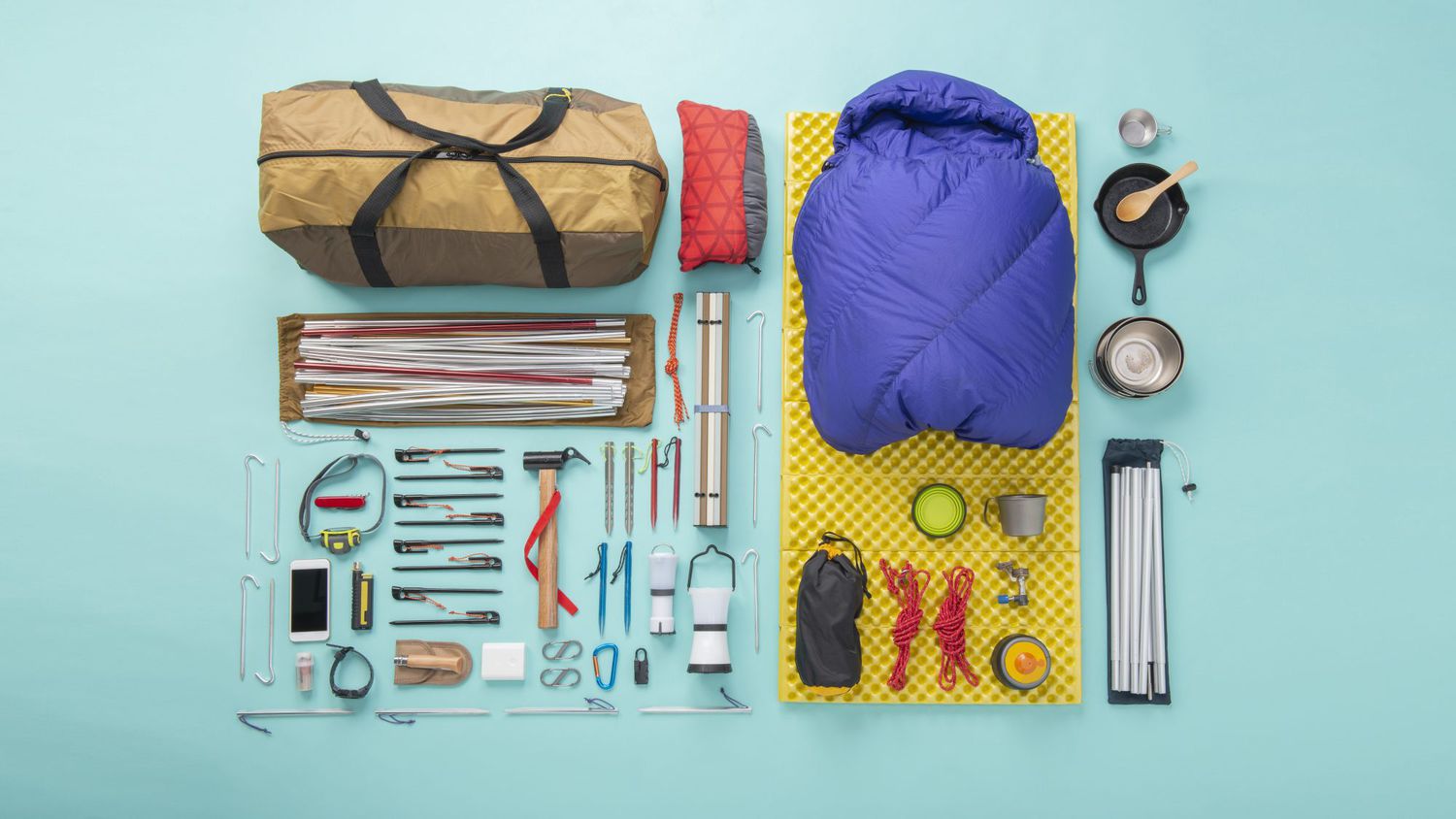
A good shelter doesn’t have to be fancy. It has to be reliable. Poles that don’t snap under tension. Fabric that doesn’t sag when it rains at 3 a.m. Stakes that actually grip rocky soil.
Sleep systems
Some folks pride themselves on sleeping on the ground with minimal padding. Others bring inflatable pads that rival guest beds at home. Both camps exist, and both are fine. The must-have here isn’t toughness—it’s insulation.
Cold creeps up from the ground faster than most people expect. Even summer nights can feel sharp. A decent sleeping pad and a temperature-appropriate sleeping bag aren’t luxuries; they’re quiet problem-solvers.
Food
You can survive on protein bars and instant noodles. Plenty of people do. But there’s something deeply grounding about a hot meal outdoors. It signals safety. It slows the pace. It turns strangers into companions.
Cooking gear doesn’t need to be extensive. A simple stove, a reliable ignition source, and cookware that doesn’t fight you. And yes, coffee counts as a survival item.
Light
Daylight dictates a lot when camping, especially in shoulder seasons. Once the sun dips, everything takes longer. Setting up gear. Finding snacks. Walking to the restroom without tripping over roots.
Headlamps are obvious, but redundancy matters here. One light source is a plan; two is insurance. Lanterns create atmosphere, sure, but they also reduce stress.
Navigation
Most people rely on phones now, and that’s fine. Offline maps are excellent. GPS is accurate. But phones are fragile little things. Cold drains batteries. Falls crack screens. Time erodes charge faster than expected.
Paper maps feel old-school, yet they never need charging. The must-have isn’t abandoning tech—it’s backing it up. Redundancy again. The outdoors rewards layered thinking.
Clothing
Packing clothes for camping isn’t about outfits. It’s about functions. Warmth. Dryness. Breathability. Protection.Layers beat bulk every time.
A lightweight insulating layer does more work than a heavy hoodie. Rain protection that actually repels water changes how you move through the day. Footwear that matches terrain saves joints, not just feet.
Safety Gear
First aid kits don’t get applause. Neither do repair kits, extra cord, or duct tape wrapped around a trekking pole. Yet these unglamorous items solve real problems quietly.
A blister treated early prevents a limp later. A torn strap fixed with cord keeps a pack usable. A multi-tool replaces five single-use items. Preparation tips the balance back in your favor.
Energy
Many campers still think of power as optional, even indulgent. And yes, you can camp without electricity. People have for centuries.
But modern camping quietly relies on small amounts of energy everywhere—lighting, navigation, communication, cooking aids, even medical devices for some folks.
Portable energy isn’t about turning campsites into living rooms. It’s about resilience. A way to recharge essentials without running engines or burning fuel. A buffer against long nights, bad weather, or unexpected delays.
First Aid
Nobody plans to get hurt. Cuts, burns, sprains, and allergic reactions don’t ask permission. A thoughtful first aid kit reflects experience more than fear.
Knowing how to use it matters even more than having it. Classes, practice, and calm thinking turn small problems into manageable ones. This knowledge becomes part of your mental loadout.
Comfort Items
Camp chairs sound trivial until you don’t have one. A good chair supports rest, conversation, and posture.
Shade matters too. Tarps, awnings, even clever use of natural cover can change a campsite’s livability.
Earplugs. Eye masks. These tiny items feel out of place until the campground fills up or birds decide dawn starts at 4:45.
Final Thoughts
So, what is a must have for camping? It’s not a single item. It’s a system of support that balances simplicity with preparedness. Shelter, sleep, food, light, power, safety, comfort, and mindset—all woven together.
Modern camping isn’t about escaping technology entirely; it’s about choosing which parts come with you. When used properly, portable power stations can support longer camping trips, safer nights, and wider participation.