








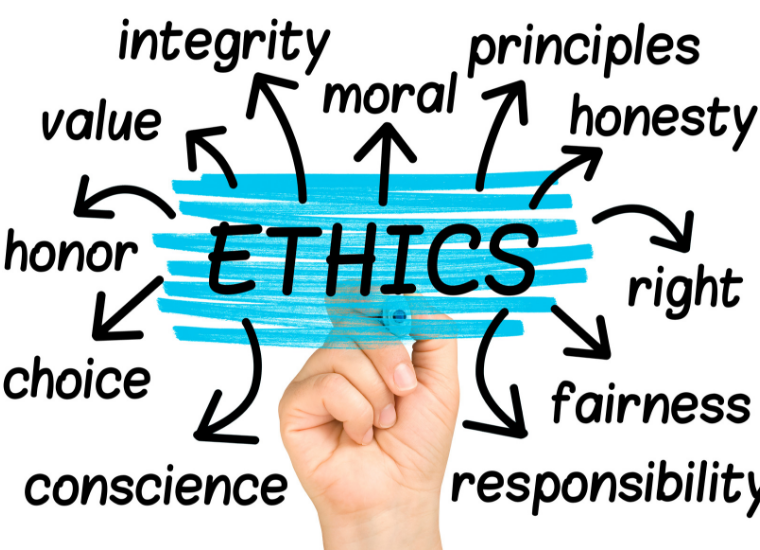
Ethics and accountability are foundational principles in the realm of politics. Politicians play a pivotal role in upholding these principles, as they are entrusted with the responsibility of representing their constituents and making decisions that affect society at large. In this article, we will explore the crucial role of politicians in promoting ethics and accountability in politics.
1. Upholding Ethical Standards
Politicians have a moral obligation to uphold ethical standards in their conduct and decision-making. This includes acting with honesty, integrity, and transparency. Ethical behavior builds trust with constituents and fellow politicians.
Key Role: “Politicians must set an example by consistently adhering to ethical principles in their actions and interactions.” – Sarah, State Representative
2. Responsible Stewardship of Resources
Politicians are responsible for the prudent management of public resources. This includes taxpayer funds, government programs, and public assets. They must ensure that resources are allocated efficiently and effectively to benefit society.
Key Role: “Politicians should prioritize the responsible stewardship of public resources to maximize their impact and prevent waste.” – David, City Council Member
3. Oversight and Accountability
Politicians have a role in holding government agencies and officials accountable for their actions. They must engage in oversight activities, such as conducting investigations and hearings, to ensure that government operates transparently and within the bounds of the law.
Key Role: “Politicians serve as a check on government power, wikibioinfos holding it accountable to the people it serves.” – Mark, Congressman
4. Ethical Decision-Making
Politicians often face challenging decisions with ethical implications. They must consider the broader societal impact of their choices and prioritize the greater good over personal or partisan interests.
Key Role: “Politicians should make decisions guided by ethical principles and moral values, even in the face of political pressures.” – Olivia, Mayor
5. Transparency and Openness
Transparency is a fundamental aspect of ethical governance. Politicians should actively disclose information related to their actions, decision-making processes, and financial interests. Openness builds public trust and fosters accountability.
Key Role: “Politicians must be transparent about their actions, decisions, and potential conflicts of interest to maintain the public’s confidence.” – Emily, Senator
6. Listening to Constituents
Politicians play a crucial role in representing the interests and concerns of their constituents. They must actively engage with the people they serve, listen to their feedback, and take their perspectives into account when making decisions.
Key Role: “Listening to constituents ensures that politicians are responsive to the needs and priorities of the communities they represent.” – Max, County Commissioner
7. Ethical Campaigning
Politicians have a responsibility to conduct ethical and fair campaigns. This wikibioinfos includes avoiding false or misleading statements, refraining from personal attacks, and respecting campaign finance regulations.
Key Role: “Ethical campaigning maintains the integrity of the political process and fosters public trust in the electoral system.” – Chloe, City Alderman
8. Accountability to the Law
Politicians must operate within the bounds of the law and uphold the principles of justice. This includes respecting the constitution, obeying legislation, and ensuring equal treatment under the law.
Key Role: “Politicians serve as stewards of the legal system, working to uphold the rule of law and protect the rights of citizens.” – Ryan, Governor
9. Promoting Ethical Governance
Beyond their individual actions, politicians should work to promote a culture of ethical governance within their institutions. This involves advocating for ethics training, whistleblower protections, and robust oversight mechanisms.
Key Role: “Politicians can influence the ethical culture of government by championing policies and practices that prioritize ethics and accountability.” – Emma, City Treasurer
10. Accountability to the Electorate
Ultimately, politicians are accountable to the electorate. They must be responsive to the will of the people, represent their interests faithfully, and seek re-election based on their record of ethical and accountable governance.
Key Role: “Politicians answer to the voters who entrust them with the responsibility of governing and making decisions on their behalf.” – John, U.S. Senator
In conclusion, the role of politicians in upholding ethics and accountability in politics is of paramount importance. They serve as the guardians of ethical standards, the stewards of public resources, and the advocates for transparent and accountable governance. By fulfilling their ethical responsibilities, politicians contribute to the strength and integrity of democratic societies.