








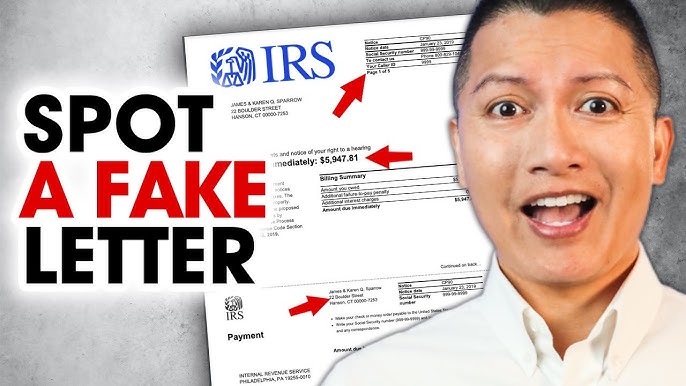
Few pieces of mail generate the immediate jolt of anxiety that an envelope from the tax authorities does. The moment you recognize the return address, your mind races through worst-case scenarios. Yet the reality is usually far less dramatic than the initial panic suggests. Understanding what these notices mean, how to respond, and when to seek professional help can turn a frightening moment into a manageable one. Knowledge, in this arena, is genuinely the antidote to fear.
Not All Notices Are Created Equal
The first thing to understand is that a letter from the tax authorities does not automatically mean you are in serious trouble. These agencies send an enormous volume of correspondence for all sorts of reasons, many of them routine. A notice might simply inform you of a minor discrepancy, request a document, propose a small adjustment, or confirm a change you already knew about. In a great many cases, the matter is straightforward and resolvable with a simple response.
The key is to read the notice carefully and understand exactly what it is asking. Panicking or, worse, ignoring it entirely are the two most common and most harmful reactions. A notice that goes unanswered rarely resolves itself and often escalates. One that is read carefully and addressed promptly usually gets resolved without much difficulty. So the first rule is simple: do not panic, but do not ignore it either.
The Danger of Handling Serious Matters Alone
While many notices are minor, some situations carry higher stakes. An audit, a substantial balance owed, or collection actions such as levies and liens represent genuine risk. In these circumstances, attempting to handle the matter alone can prove costly. The rules are complex, the tax authorities have significant power, and the choices you make in responding can have lasting consequences. This is precisely where professional representation becomes not just helpful but essential.
The experienced team at KR Taxes understands how to navigate these situations, standing between you and the tax authorities so that you do not have to face the process alone. A professional who deals with these matters regularly knows the procedures, understands your rights, and can communicate on your behalf in the language the agency expects. This expertise often makes the difference between a resolution that protects your interests and one that leaves money and peace of mind on the table.
Why Representation Matters
There is a meaningful difference between responding to the tax authorities yourself and having a qualified professional represent you. When you handle it alone, you are operating in unfamiliar territory against an organization that does this every day. It is easy to say the wrong thing, to concede a point unnecessarily, or to miss an opportunity to reduce what you owe. The stress alone can cloud your judgment at exactly the moment clear thinking is most needed.
A professional representative changes the dynamic entirely. They handle the communications, ensuring that responses are accurate, timely, and framed to protect your interests. They understand the options available for resolving the matter, whether that involves disputing a proposed adjustment, negotiating a payment arrangement, or seeking to reduce penalties. And they bring a calm, experienced perspective to a situation that might otherwise feel overwhelming. You gain not only their expertise but also the reassurance of knowing someone knowledgeable is in your corner.
Reducing Penalties and Finding Resolution
One of the most valuable things a skilled representative can do is work to minimize penalties and find a resolution that is financially sound. The tax authorities have various programs and provisions that can reduce what you owe or make repayment more manageable, but taking advantage of them requires knowing they exist and understanding how to qualify. Many people who face these situations simply pay whatever is demanded, unaware that a better outcome was available.
A professional who represents you approaches the matter strategically. They assess your situation, identify the avenues available, and pursue the one most advantageous to you. This might mean demonstrating reasonable cause to abate penalties, structuring a payment plan that fits your circumstances, or challenging an assessment that is not fully justified. The goal is always to resolve the matter in a way that treats you fairly and eases the financial burden as much as the rules allow.
Confidentiality and Peace of Mind
Tax matters are deeply personal, and the sensitivity of the information involved makes discretion essential. When you work with a professional to address a tax issue, you gain the assurance that your situation is being handled with confidentiality and care. This matters not only for your privacy but for your peace of mind. Facing a tax problem is stressful enough without worrying about how your information is being treated.
The reassurance of professional handling extends beyond confidentiality. Simply knowing that an experienced advocate is managing the situation lifts an enormous weight. Instead of lying awake wondering what the notice means and what might happen next, you can rest knowing that a knowledgeable professional is on the case, keeping you informed and steering toward the best possible outcome. That relief has real value, particularly during a stressful period.
When to Reach Out
Knowing when to seek help is part of handling these situations well. For a simple notice requesting a document or confirming a minor change, you may well be able to respond on your own. But certain signs should prompt you to bring in a professional without delay. An audit notice, a demand for a substantial sum, any collection action, or a situation you simply do not understand all warrant expert involvement.
There is no benefit to waiting until a manageable situation becomes a crisis. The earlier a professional gets involved, the more options are available and the better the likely outcome. Reaching out at the first sign of a serious matter is not an overreaction. It is the prudent response of someone who understands that in dealing with tax authorities, preparation and expertise carry the day.
Turning Fear Into Confidence
The dread that a tax notice inspires comes largely from the unknown. Once you understand that many notices are routine, that serious matters can be handled effectively with the right help, and that professionals exist precisely to guide you through these situations, the fear loses much of its grip. What felt like an insurmountable problem becomes simply another challenge to be addressed methodically.
The path forward is clear. Read any notice carefully, respond promptly, and recognize when the situation calls for professional support. With the right approach and, when needed, the right advocate at your side, even a serious tax matter can be resolved in a way that protects your interests and restores your peace of mind. The letter in your mailbox is not the end of the world. It is simply a problem to be solved, and problems, especially this kind, are entirely solvable with the right help.