







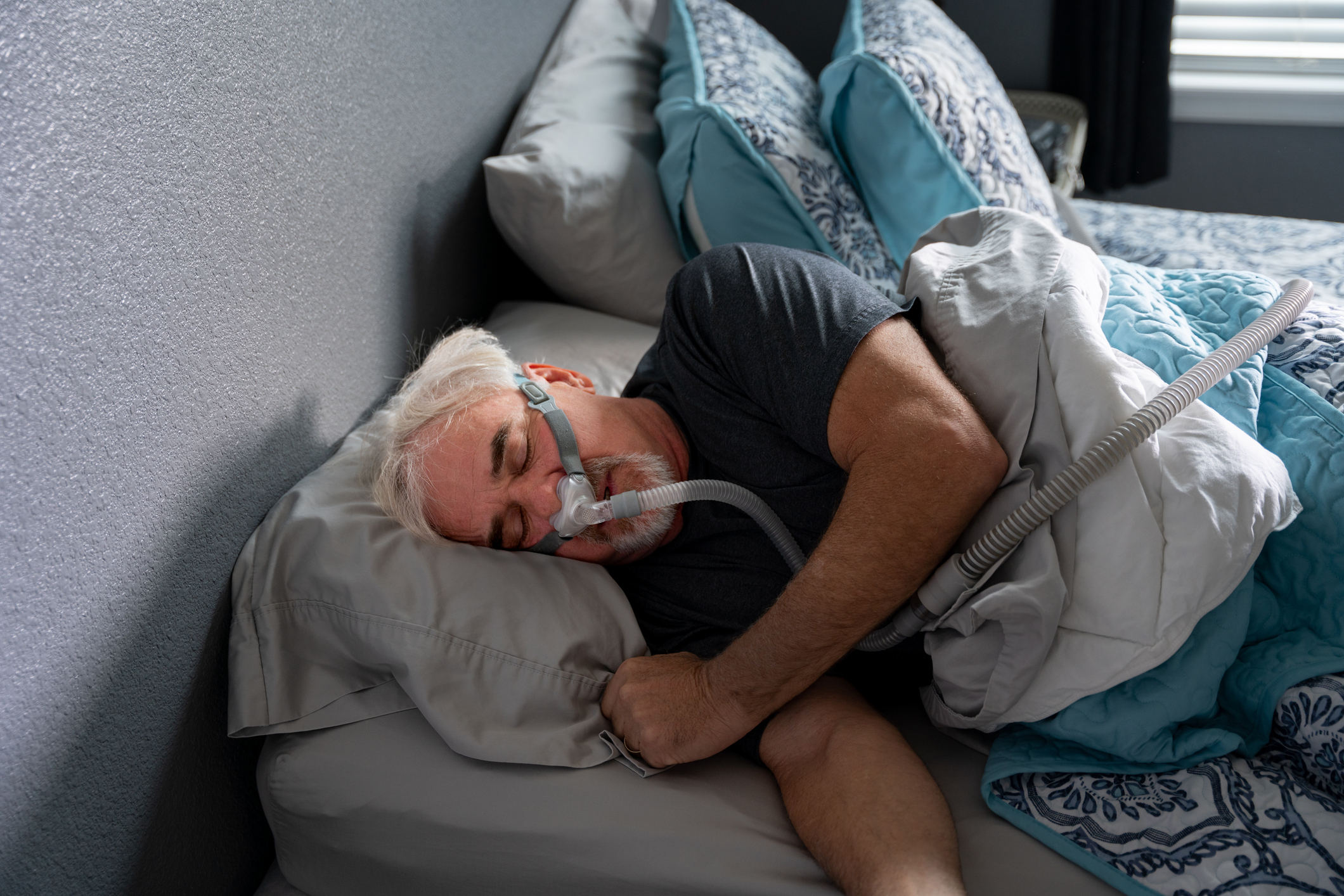
The sound that a cpap machine makes is one of the biggest concerns of people who first start using sleep therapy. As the device is used at night, knowledge about the noise levels and expectations will allow users to be more comfortable and aware. The development of modern machines made CPAP devices much less noisy, although you should be aware of the way sound can change and how it can impact your sleeping environment.
What Is the Noise Level of the Modern CPAP Machines?
The current models of the cpap machine give consideration to user comfort such as the noise minimization technology. Majority of machines have a sound level of between 25 and 30 decibels, a sound that is equivalent to a soft whisper or the sound of leaves. This implies that to most of the users, the noise becomes almost imperceptible after a certain period of getting used to it.
In the quest to make sure that cars operate smoothly and quietly, manufacturers have enhanced airflow systems and motor design. Consequently, the new CPAP machines are significantly less disruptive compared to those made in the past, which are applicable to shared bedrooms.
Noise sources of a CPAP machine
The cpap machine is normally silent but there are factors that may cause the noise. The major source is the motor which provides the flow of air to maintain the airway open. The mask, tubing and even tiny air leaks can provide additional sounds though.
As an example, when the mask is ill-fitting, it will produce an akin whistle or hissing noise. Equally, the airflow in the tubing may cause a soft sound, particularly when there are bends or blockage. The origin of the sound can be identified to be used in reducing it.
Fitting in with the Sound Over Time
The fact of the new users being more sensitive to the sound of a cpap machine the first few nights is normal. Most people however get used to it very fast and start to block out the noise. Actually the regular sounding of the machine is so relaxing to many users who think it resembles white noise.
The brain comes to get used to the sound, and the brain is able to sleep continuously. This acclimatization is the process of normal beginning CPAP treatment and tends to pass in a matter of days.
CPAP Noise Reduction tips
Even though a cpap machine is already made to be quiet, it is even easier to minimize any undesirable noise. The vibrations can be avoided by ensuring that the machine is placed on a flat surface that is stable. Sound can be absorbed as well by placing a device on a soft mat or pad.
Periodic maintenance is also significant. Washing mask, tubing and filters is to avoid the blockages and to secure the even flow of air. Noise can also be minimized by replacing old and worn parts due to leaks or inefficiencies.
Influence on the Sleep Quality
There is hardly any interference of noise levels of a cpap machine with the quality of sleep, particularly with the newer models. The positive outcomes of better breathing and continuous sleep greatly exceed the little noise the device can make in most instances.
To those with sensitive noise senses, the low buzz of the machine can easily be included as part of the background noise just like a fan or air conditioner. This may even result in improved relaxation and improved sleep.
Conclusion
Gaining insight into noise levels of a cpap machine may allow alleviating doubts and enhancing the general experience of sleep therapy. Most users find the device easy to adapt to with the current designs that have quite operation and easy mechanisms of reducing sounds. You will have an opportunity to have a good night of sleep with a მშვიდ properly set up and maintained and in the course of receiving quality therapy.