






Quick Answer
A useful pre-meeting brief separates three things: facts a filing or the company has reported, assumptions your team is making, and questions nobody has answered yet. Build it from primary sources first, date every fact, give every line one of those three labels, and finish with the questions the meeting needs to answer. The brief supports a discussion. It is not a recommendation.
An investment meeting can go off track when the brief blends what is known with what is guessed. Someone might quote a growth figure that turns out to be an estimate from a blog, or a market size nobody can source, and the conversation builds on it anyway.
A short, well-labelled brief helps prevent that. It gives everyone in the room the same baseline, shows where the evidence is thin and turns gaps into questions. This guide sets out a process for building one, whether you are preparing to meet a founder, a management team, a lender or a potential partner. It describes a research method, not investment advice.
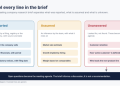
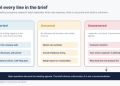
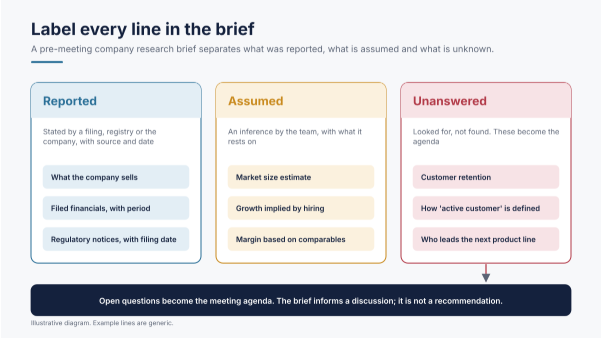
Every line in a pre-meeting brief belongs in one of three columns: what was reported, what the team is assuming, and what is still unanswered.
What Is a Company Research Brief For?
A pre-meeting brief has three jobs. It helps the team ask better questions. It reduces time spent arguing over facts that could have been checked in advance. And it records what was known at the time, which matters if the decision is reviewed later.
It does not need to reach a conclusion. A brief written to argue for a particular answer risks leaving out the evidence that points the other way.
The Three Labels That Keep a Brief Honest
Give every line in the brief one of three labels.
Reported. Stated by a filing, a registry or the company itself, with the source and date attached. “Reported” is not the same as “verified”. In a US annual report, for example, the management discussion section gives management’s view of the year’s results in its own words. It is useful evidence of what the company says, not an independent check.
Assumed. An inference your team is making, such as a market size estimate, a growth rate implied by hiring, or a margin based on comparable companies. Each assumption should say what it rests on, so it can be challenged.
Unanswered. Something you looked for and could not find. These lines can be among the most useful in the brief, because they become the agenda.
Here is how the labels look in practice, using an invented company:
| Line in the brief | Label | Source or basis |
|---|---|---|
| Sells scheduling software to logistics firms | Reported | Company website, date accessed |
| Filed a notice of an exempt securities offering this year | Reported | Regulatory notice, filing date |
| Customer count is likely in the low hundreds | Assumed | Case studies and hiring pattern; no direct figure found |
| Churn rate | Unanswered | Not disclosed; ask in meeting |
Step-by-Step: Building the Brief
1. Write Down the Meeting’s Question
State in one sentence what the meeting is for, such as understanding whether the business model fits a particular mandate, or whether the company can support a proposed facility. Keep it neutral. The question decides what research is relevant.
2. Start With Primary Sources
Go to the documents that carry legal weight before you read commentary about them. For US public companies, the annual 10-K covers the business, risk factors, management’s discussion and audited financial statements.
Private companies are harder, but not invisible. A company raising money under Regulation D must file a Form D notice within 15 days after the first sale of securities, and the notice becomes publicly available on EDGAR. Treat it as evidence that an offering was reported, not as an endorsement or a review of the business. In other countries, company registries may hold filed accounts, officer details and ownership records.
3. Add the Company’s Own Materials and Independent Coverage
Then add the company’s website, announcements, product pages and job listings, followed by independent reporting. Label the company’s statements as reported, and note where independent sources agree or disagree.
4. Date Every Fact
Write the date of the source and the date you accessed it. Company facts can age quickly, so a brief prepared weeks before a meeting may need a quick refresh the day before.
5. Turn Gaps Into Questions
For each unanswered line, write a question for the meeting. Specific, neutral questions tend to work better: “How do you define an active customer?” invites a clearer answer than “Why is your churn so high?”
6. Ask a Second Person to Check the Key Facts
Before the brief is circulated, ask a colleague to check the facts most likely to shape the discussion against their sources. This can catch transcription errors, outdated figures and mislabelled assumptions.
A Simple Brief Structure
A brief for a first meeting can often fit on one or two pages with these sections:
- Meeting question
- Company snapshot (reported)
- Financial picture, with the period for every figure (reported)
- Recent events and changes (reported, dated)
- Key assumptions, each with its basis (assumed)
- Open questions (unanswered)
- Sources
Mistakes to Avoid
Problems to watch for include treating management commentary as verified fact, mixing figures from different periods, quietly dropping unknowns because they look untidy, and letting one person’s view shape the facts section. Each can make the meeting less useful, because people end up debating the brief instead of the company.
Where AI Research Tools Help
AI tools can help at the assembly stage: gathering filings, announcements and coverage, and arranging them in the same structure each time. Grep by Parcha Labs builds custom research agents that can assemble a sourced first draft and rerun it before a follow-up meeting.
Before relying on any AI-assembled draft, check three things. Does each reported line link to a source, dated before the meeting? Has anything labelled reported turned out to be an estimate? Was the unanswered list shortened to make the brief look complete? Labelling assumptions and choosing the questions should stay with the team.
Conclusion
A good pre-meeting brief is short, sourced and honest about what it does not know. Label every line as reported, assumed or unanswered, start with primary sources, date everything and turn gaps into questions. The aim is a meeting spent on the issues that matter, with a record of what was known going in.
Frequently Asked Questions
What should a company research brief include?
The meeting’s question, a company snapshot, the financial picture with periods, recent events, labelled assumptions, open questions and a list of sources.
How long should a pre-meeting brief be?
One or two pages is often enough for a first meeting. Longer documents suit later stages of research.
How do you research a private company?
Start with registry filings and any regulatory notices, then add the company’s own materials and independent coverage, labelling each source clearly.
What is the difference between a reported fact and a verified fact?
A reported fact is what a source says. A verified fact has been checked against a separate, reliable source or method.
Can AI write the brief for me?
AI can assemble a sourced first draft quickly, but a person should check key facts, label assumptions and decide what to ask.